
NewsNEWCENTER
Featured products





Contact Us
An egg-washing machine manufacturer explains whether we can eat several eggs a day
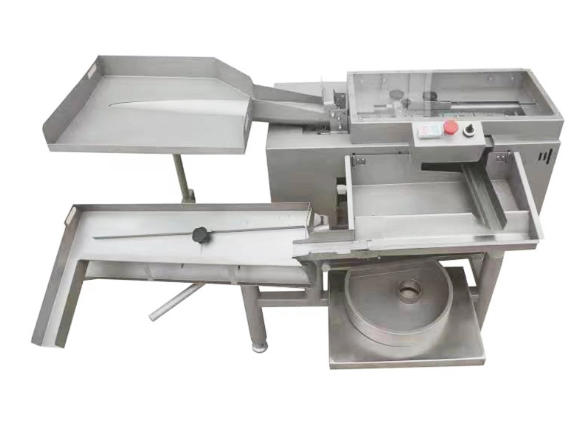
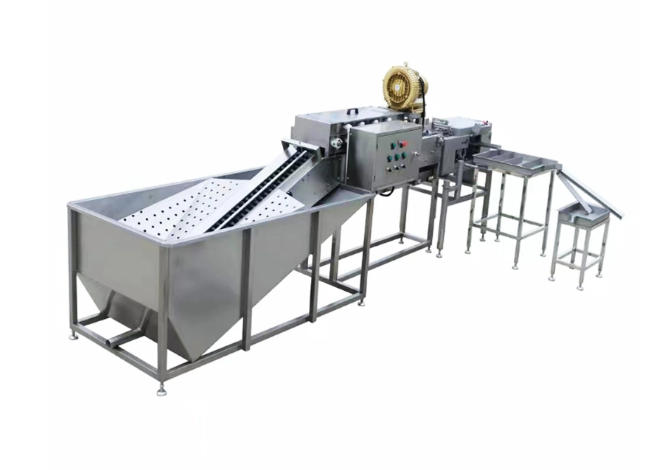
2026-10-13An introduction from an egg-washing machine manufacturer: In our daily lives, eggs have become an almost indispensable foodstuff. A few days ago, when pork prices skyrocketed, many people stopped eating pork; whilst egg prices were also rising, we have never stopped eating eggs. The eggs we consume in our daily lives have all been washed by egg-washing machines, which is why they are so clean. Some might ask: our elders often tell us that we should eat no more than one egg a day, and that eating two would lead to an excess of nutrients. Is this actually the case? Below, the egg-washing machine manufacturer explains. Egg-washing machines Eggs are everywhere; almost everyone loves them. They are relatively inexpensive and exceptionally nutritious, with a perfect balance of protein and amino acids. However, many people are unaware that whilst eggs are delicious, there are certain health considerations to bear in mind. In fact, we need not worry about eating too many eggs. Many people wonder how many eggs they should eat per day, but those who have read the Chinese Dietary Guidelines for Residents are even more torn.

The 2016 Chinese Dietary Guidelines for Residents recommend consuming no more than seven eggs per week, provided that other foods (milk, meat, fish and prawns) are consumed in normal quantities. Please note, however, that this is based on the premise that you are consuming sufficient amounts of milk, meat, fish and prawns. Eating just one or more eggs a day does not increase the risk of cardiovascular disease or diabetes. Of course, if you rarely eat milk, meat, fish or prawns, or if you are particularly fond of eggs, or if you are at the gym and need to supplement your protein intake, there is no problem with eating more eggs. Furthermore, if you are in a growth phase or are working out to build muscle, you can feel free to eat a few extra eggs; after all, getting enough protein is what matters most.