
NewsNEWCENTER
Featured products
Contact Us
Main structural materials of egg-washing machines and methods for unexpected maintenance
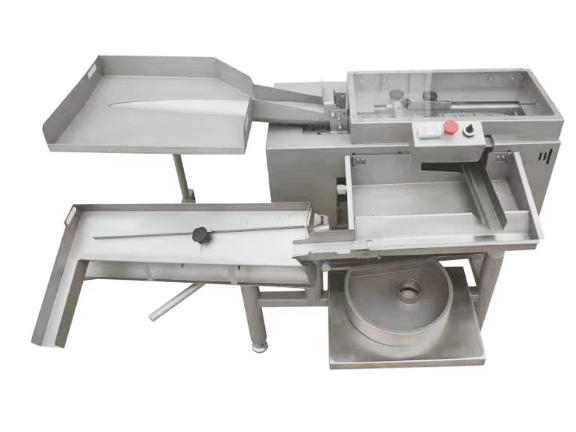
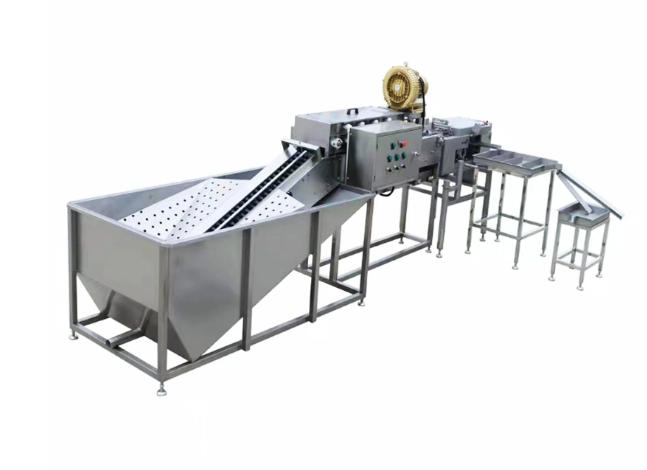
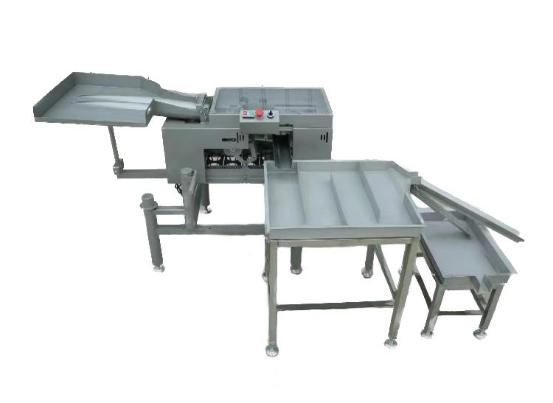
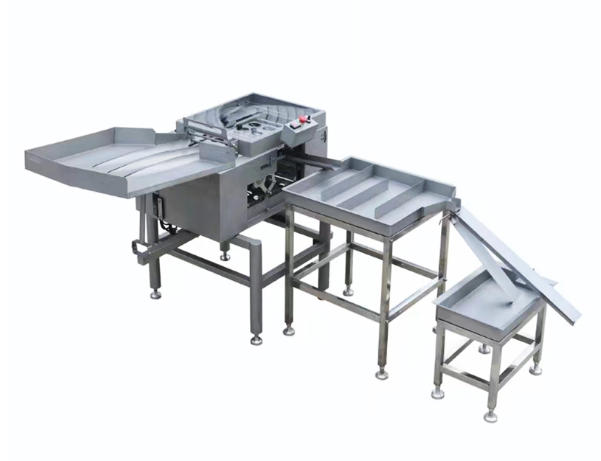
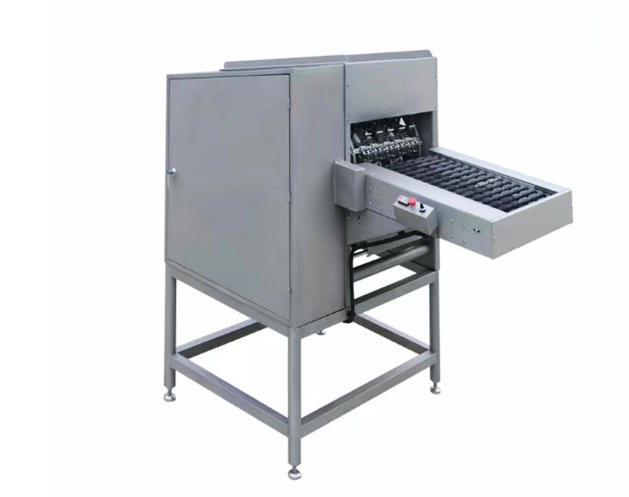
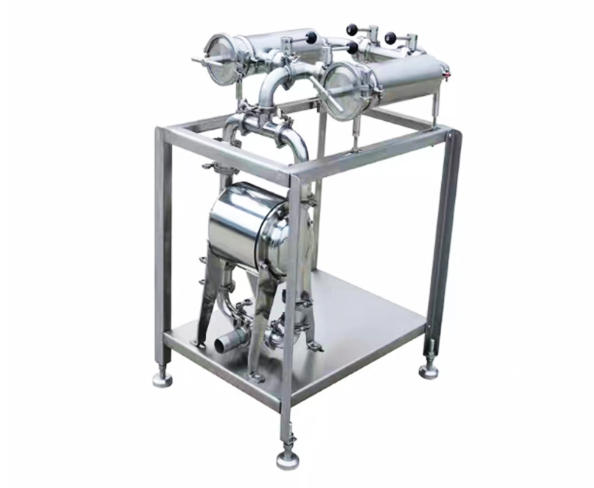
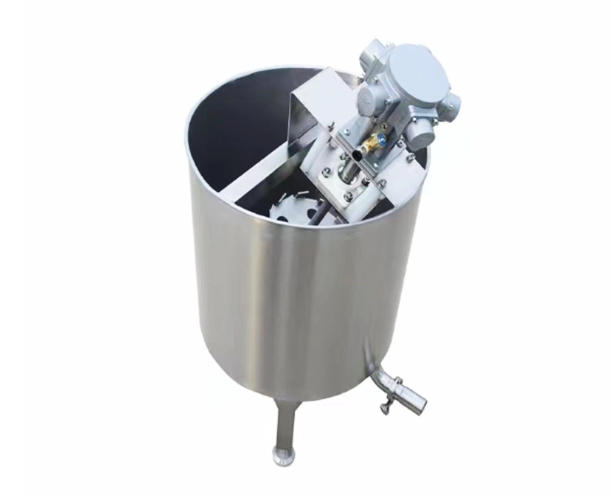
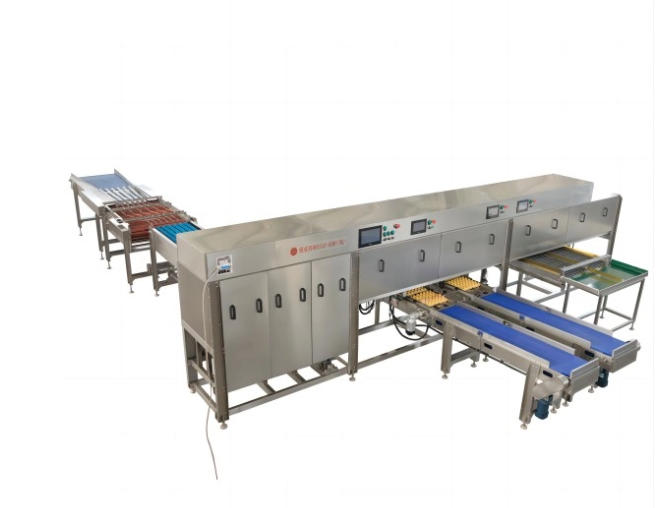
2026-07-02To improve the efficiency of egg washing, we have refined and upgraded our egg washing machine, incorporating fully automatic control, making it ideal for large and medium-sized processing enterprises. The fully automatic egg washing machine comprises seven components: the frame, the egg handling system, the washing system, the egg production system, the drive system, the sizing tank and the control system. These are detailed as follows:
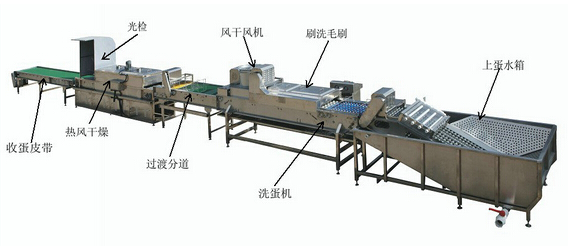
1. Frame: Constructed entirely from 304 stainless steel, it offers excellent corrosion resistance against mud-covered and salted eggs, helping to extend the equipment’s service life;
2. Egg Handling System: Comprising an egg tray, stainless steel chain, gears and egg clamps, this system is designed to handle both whole and cracked eggs;
3. Washing System: Consisting of three inverted triangular brushes—two cylindrical brushes of different diameters and one spiral brush—this system effectively removes dirt from the eggs;
4. Egg Collection System: Ensures that eggs are smoothly collected into egg baskets once washing is complete, thereby reducing labour costs and improving labour efficiency;
5. Drive System: Comprising two high-performance motors—one is a gear motor and the other a fractional horsepower motor. Operating at 220 volts, it offers energy efficiency, a long service life and ease of maintenance.
6. Water Tank Dimensions: Welded from 304 stainless steel sheet, offering excellent corrosion resistance. The large water tank is a complementary component of the egg-washing system, whilst the small water tank is a configuration component of the egg system.
7. Control System: Comprising fuses, relays, AC contactors, earth leakage circuit breakers and control transformers, this system optimises the equipment’s operation.
Egg washers are designed to clean egg products rapidly, but cleaning issues may occasionally arise. What should we do if this happens? The equipment generally does not produce unclean results when first used; the issue is mainly caused by the brushes becoming misaligned after a period of use. Therefore, adjustments can be made to rectify this. If the eggs are not cleaned properly in the middle, it may be because the distance between the egg-nozzle brushes is too great. Generally, this can be remedied by adjusting the screws to increase the distance between the two brushes, or by checking whether the brushes are damaged. If a brush is damaged, it should be removed and replaced.