
NewsNEWCENTER
Featured products
Contact Us
Why is it necessary to use an egg-washing machine?
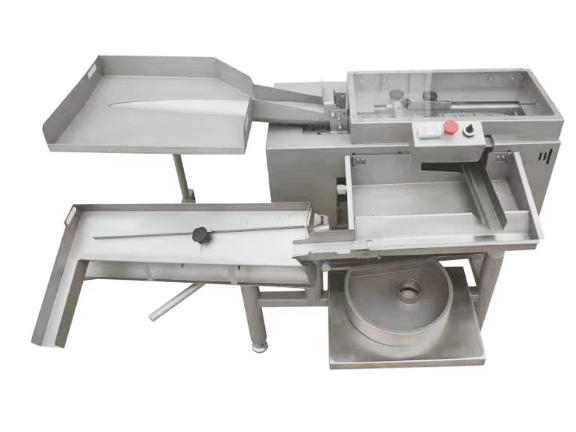
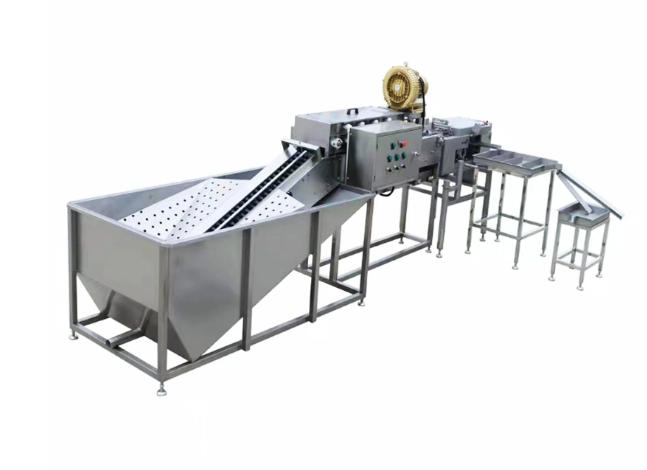
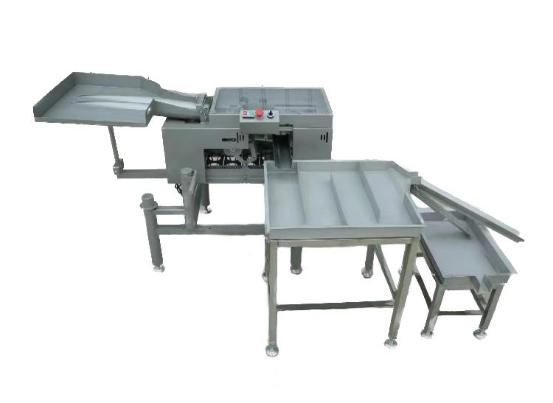
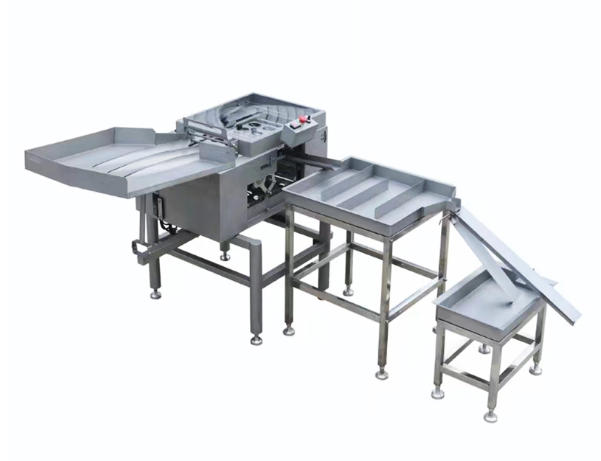
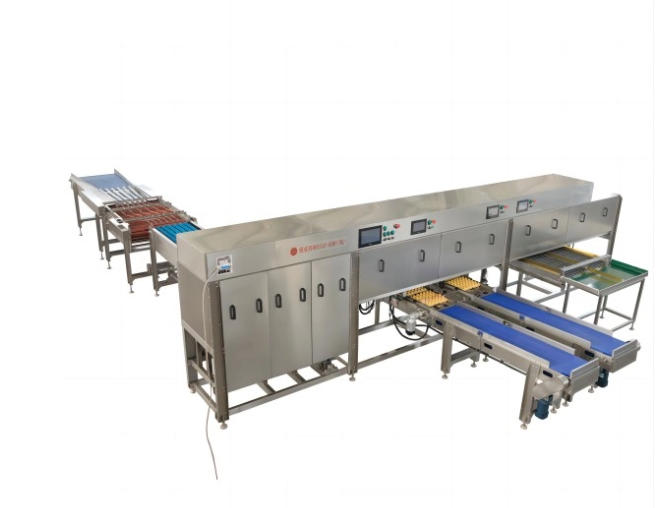
2026-09-03An egg washing machine, as the name suggests, is a piece of equipment used to clean various types of eggs; we may also refer to it as an egg cleaning machine or a duck egg cleaning machine. So, why do we use egg washing machines to clean different types of eggs?
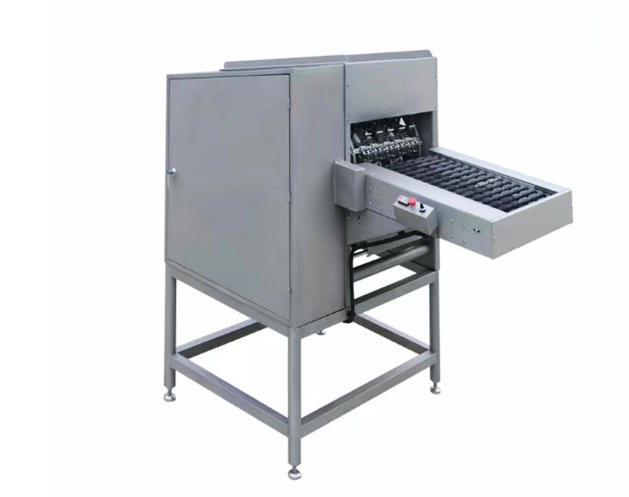
(1) It is extremely unhygienic to consume dirty eggs directly or use them for processing. The surfaces of dirty eggshells are covered with large amounts of poultry faeces, mucus, litter, weeds, bloodstains and other poultry waste. This dirt can adhere to or fall onto shelves, other foodstuffs and kitchen utensils; when used in the production of egg products, it compromises quality and reduces the product’s pass rate. Egg Washing Machine (2) The direct consumption or use of dirty eggs in processing is highly likely to spread disease. If poultry eggs are not sanitised promptly after laying and are sold directly onto the market, this can easily lead to the widespread transmission of microorganisms and bacteria; eggs collected from poultry farms are significant carriers of pathogens. These eggs, carrying a vast array of pathogenic microorganisms, are purchased by consumers via an unregulated distribution chain where no treatment is applied. During this process, vehicles, transport crates, shelves, hands, food, refrigerators and the air within the home are thoroughly exposed to an environment contaminated by poultry excreta, posing a significant threat to our daily lives.

Furthermore, due to the physiological characteristics of poultry, in addition to the potential presence of avian influenza viruses, the poultry’s intestines and excrement harbour large quantities of pathogens such as Salmonella, E. coli, Listeria, Newcastle disease and white diarrhoea. Some of these poultry diseases are zoonotic, meaning they can easily spread widely among humans.
(3) Dirty eggs have a short shelf life. Unwashed poultry eggs have a reduced shelf life due to the microorganisms on their shells; conversely, washed poultry eggs have their shelf life extended through the application of a disinfectant coating and specific packaging methods. Generally speaking, washing, disinfecting and applying a protective coating to poultry eggs can extend the shelf life of fresh eggs. In China, the lack of widespread adoption of egg-washing processes has led to seasonal fluctuations in egg prices; prices are lower during periods of high production and rise when production is low. Such price volatility is detrimental to the stable development of the egg market.
Having read the above, do you also feel that washing eggs is essential? If you have a large quantity of eggs and are unable to wash them by hand, why not use an egg-washing machine to clean and disinfect them? This not only prevents microorganisms and pathogenic bacteria from entering the egg but also ensures food safety.