NewsNEWCENTER
Featured products
Contact Us
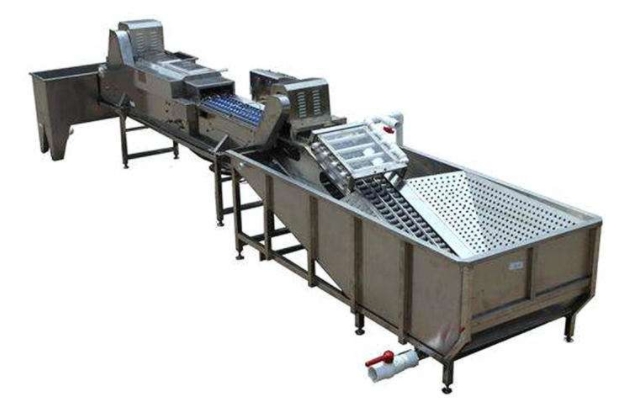
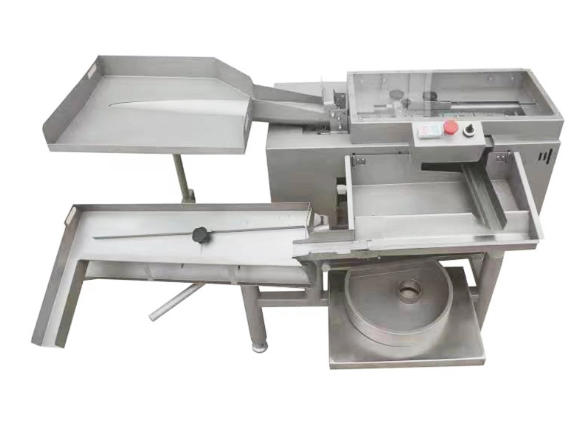
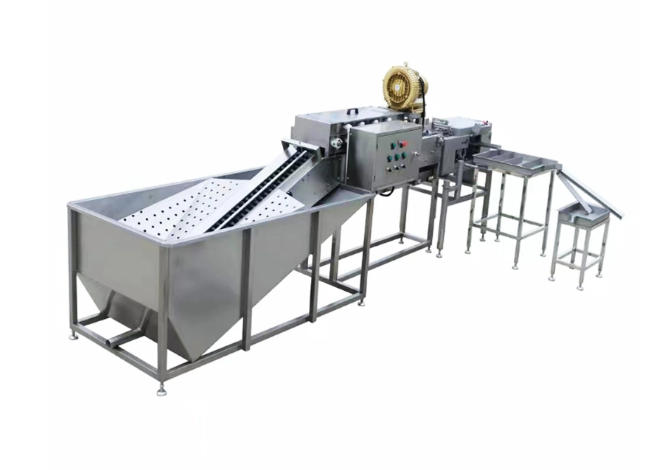
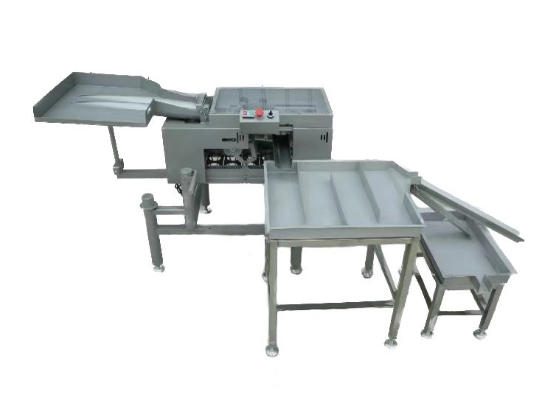
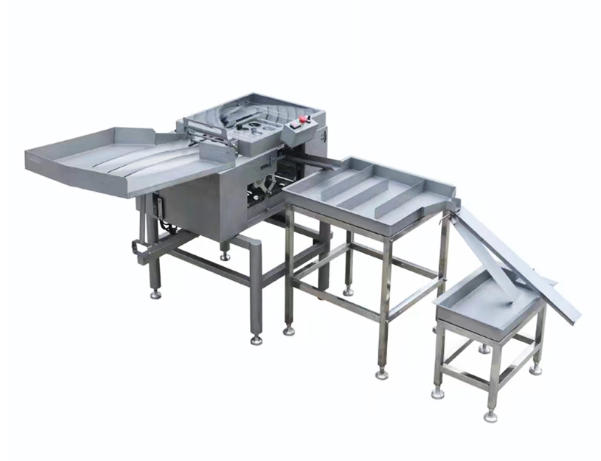
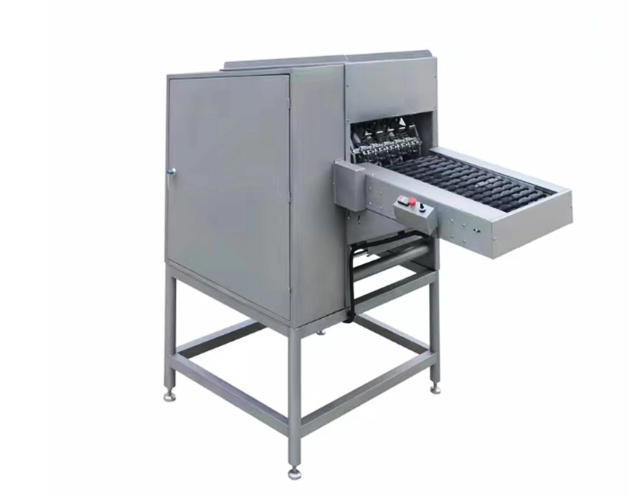
Cleaning and Disinfection Functions of the Egg Washing Machine
2026-10-20Egg Washing Machine
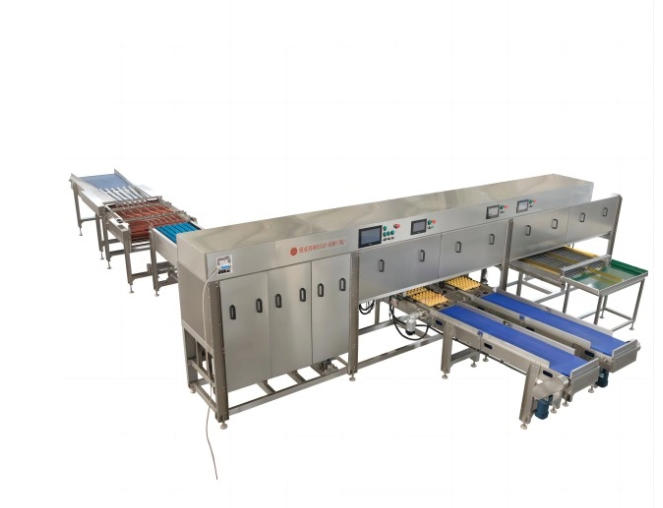
The original purpose of an egg-washing machine was simply to remove dirt from chicken and duck eggs; however, with the ever-increasing demands for food safety, modern egg-washing machines are now expected to provide a certain level of disinfection in addition to their standard cleaning function. For example, this is necessary to combat Salmonella on duck eggs.
Salmonellosis refers to various forms of illness affecting humans, livestock and wildlife caused by different types of Salmonella. Although Salmonella does not readily multiply in water, it can survive for 2–3 weeks in a refrigerator, 3–4 months in the cold, and 1–2 months in faeces in the natural environment. The optimal temperature for Salmonella growth is 37°C, though it can multiply at temperatures above 20°C; therefore, cold storage is an important preventive measure. The following precautions should be observed when handling eggs in daily life. Egg Washing Machine When dining out, avoid contact with utensils that have come into contact with raw eggs and refrain from consuming foods containing uncooked eggs, particularly in the case of children and the elderly. Furthermore, do not consume eggs that are cracked or have been contaminated by the environment after cracking, nor should you eat raw egg products.
When purchasing egg products, try to buy from reputable brands and avoid three types of agricultural products. Furthermore, place purchased egg products in the fridge and maintain the habit of keeping eggs refrigerated at 7°C to prevent them from spoiling.
Currently, most egg-washing machines remove dirt using a process of soaking followed by brushing; in fact, adding a suitable amount of food-grade disinfectant during the soaking stage can provide a certain level of disinfection.