
NewsNEWCENTER
Featured products
Contact Us
How an egg-washing machine works
2026-08-28When it comes to the washing and processing of poultry eggs, safety and hygiene are paramount. Unlike other materials, egg products require highly specialised technical processes; otherwise, the production process may result in significant wastage, increased costs and damage to equipment. However, when using an egg washer to clean eggs, there is absolutely no need to worry about these issues. So, how does an egg washer work?
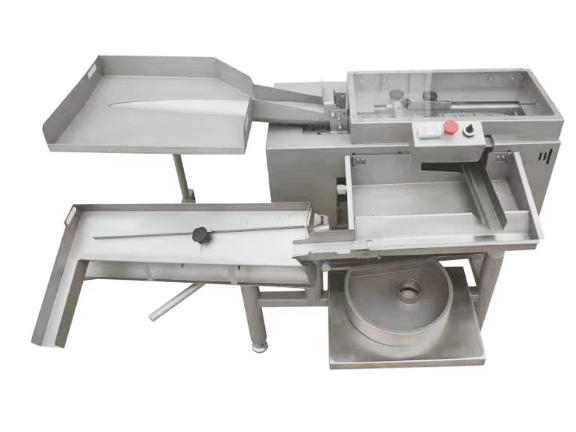
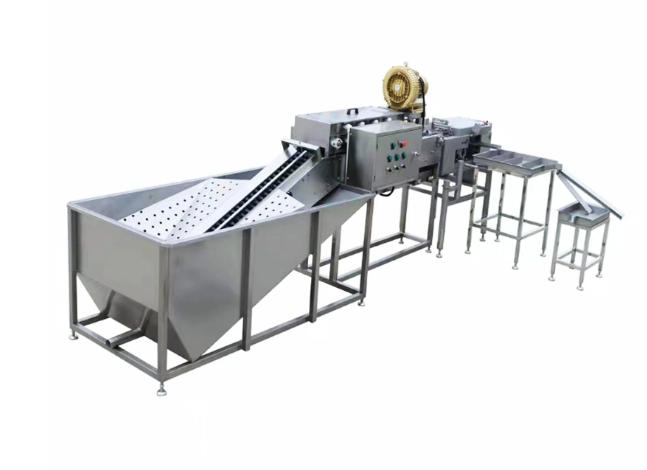
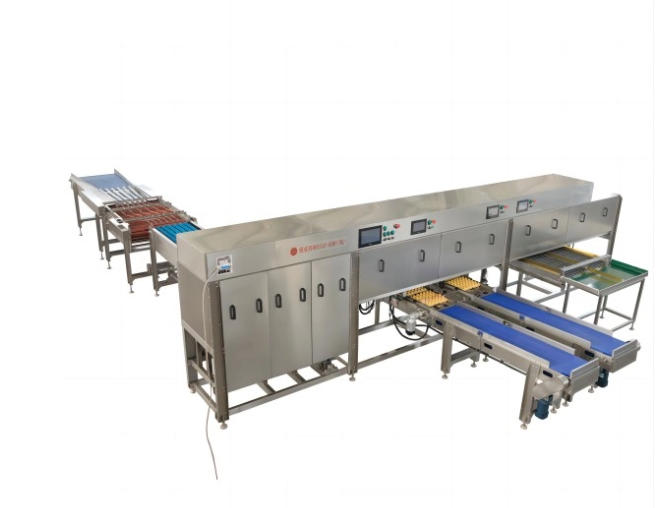
The mechanism of an egg washing machine is very simple: it utilises the combined action of water and bubbles to effectively clean the surface of all types of eggs. A large volume of water is fed into the tank, where the machine combines with the water to generate a profusion of bubbles; the eggs then come into contact with the water and bubbles. Egg Washing Machine As soon as the eggs enter the machine, they are propelled by the bubbles and water flow to roll continuously within the water whilst moving along the mesh conveyor belt. Special nylon brushes in the water gently remove any debris from the surface of the eggs, ensuring they are thoroughly cleaned.

As the eggs are discharged from the water, the machine also features a special jet nozzle that effectively cleans the eggs under high pressure, removing any remaining dirty water from their surfaces. Finally, the eggs undergo drying, preservation and inkjet coding, bringing them to optimal condition for immediate sale.
The egg washing machine features advanced technology and a well-designed structure, offering high cleaning capacity and excellent grease removal. It ensures a thorough clean without damaging the product, delivering remarkable results and making it the ideal choice for the egg processing industry.
Translated with DeepL.com (free version)