
NewsNEWCENTER
Featured products
Contact Us
Maintenance and Tips for Using an Egg Beater
2026-10-16Routine Maintenance and Operating Procedures for Egg Beaters: Egg beaters are indispensable tools for companies specialising in the production of birthday cakes and Chinese pastries, as they boost output whilst reducing labour costs! However, just like people, machinery requires regular adjustment and maintenance to extend its service life. So, how can one ensure proper maintenance of an egg beater?
An egg beater is a piece of machinery, and as such, it requires proper routine maintenance to ensure it has a longer service life. Egg-based products are a very popular snack, particularly amongst young people. When it comes to egg beaters used in many households, some people are unsure how to carry out routine maintenance. Egg beaters: As anyone familiar with them will know, the casing and components of an egg beater are made from die-cast aluminium with a stainless steel finish. It is important to clean the appliance thoroughly after each use; this not only ensures the egg-beating process is effective but also extends the appliance’s service life. Furthermore, it is essential to unplug the appliance when not in use to prevent any potential damage to the machine.
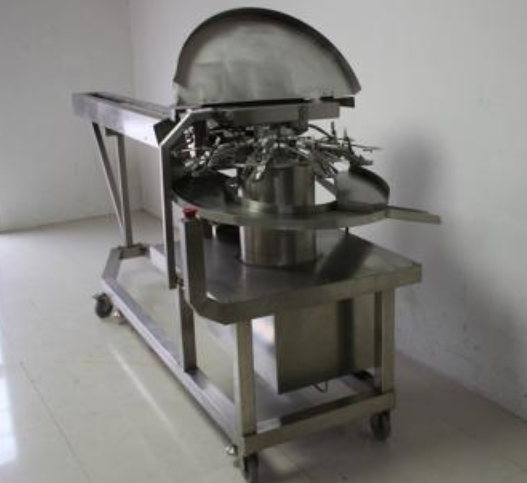
Many mechanical appliances have their own little tips for use, and egg beaters are no exception. Once you have mastered these techniques, the appliance is unlikely to develop faults in the short term. The egg beater is an indispensable piece of equipment for cake-making. It is easy to use and convenient. Only by using it properly can you extend the appliance’s service life. Here are some suggestions.
With traditional egg beaters, it is best to switch off the machine and change gears. If it cannot be shifted, you can move the egg beater head to prevent damage caused by the shaft colliding with the housing. An electric whisk can operate efficiently without switching off or changing speeds. However, take care not to skip gears or accelerate abruptly, as this will extend the appliance’s lifespan and prevent the mixture from spilling out of the bowl. Unlike bread, cakes do not rise through yeast fermentation. Cakes and pastries are made using the leavening power of eggs and oil, so it is best to use an electric whisk whenever possible.
When whisking, do not lift the whisk from the bowl to ensure the bearing balls do not wear out, thereby extending the service life. If the mixture is too thick, thin it down as much as possible to prevent damage caused by whisking. When removing the batter, do not strike the whisk against the bowl with force. This will break the stainless steel wires, and you will need to remove it by hand.